C
New methods and technologies are emerging for real-time distant operations in aquaculture. Medium and large sized enterprises are already adopting un-crewed vessels and vehicles to evolve their operations.With these changes, roles are evolving too. Technology is now being used for work previously completed manually, including diving operations, on-deck vessel work, harvesting, hatchery and sample collections. The workforce requires skills to use new equipment, to understand and communicate data, and to operate remotely on and under the water.These developments in technology will affect most current roles and may result in the emergence of new roles; particularly in autonomous, un-crewed and remote vessel/vehicle operations, scientific testing and compliance. Nationally recognised training is needed to address these changing work environments and roles, to ensure digital skills are accessible where they are needed and recognised within the broader industry.
The Australian Industry and Skills Committee (AISC) approved this project out of the
Aquaculture and Wild Catch Industry Sector IRC Skills Forecast and Proposed Schedule of Work 2019-2022 (see pages 48-55).Skills Impact and the Aquaculture and Wild Catch Industry Reference Committee (IRC) will manage this project, consistent with the
2012 Standards for Training Package Development.
 Download Project Proposal (see pages 48-55)
P
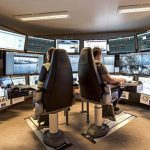
Underwater robotic technology is making a splash in Australia’s aquaculture industry. Large companies like Tassal and Huon Aquaculture are using Remotely Operated Vehicles (ROVs), drones and biosensors to perform tasks that were previously done manually. Fish are being fed by the push of a button from a control centre in Tasmania. Workers are monitoring the health and behaviour of fish and their environments in real time via ultra-HD screens and biosensors. ROVs are being used to inspect, repair and clean nets and to carry out environmental compliance monitoring.These are important advancements, making for more efficient monitoring, improved welfare practices and more thorough biosecurity measures. When paired with decreasing costs of equipment, the uptake of these new technologies across industry is becoming more likely. This means workers will need further expertise in operating new equipment, understanding scientific information and managing compliance. While training until now has occurred on the job, industry is keen for nationally recognised training that can support and recognise these skills across the board.
“Innovation and technological advances are changing approaches to how work tasks are being performed. This in turn is driving the industry to introduce new technology… requiring employees to be adept in utilising the tools and computer programs to drive hardware. The industry therefore needs to prepare for the future and a focus now needs to be on the development of a workforce who is strong in digital literacy,” Natalie Cheequee, Organisational Manager, Huon Aquaculture.Employers are keen to promote digital skills not just for the use of current technology, but to prepare their workforce for the future. Skills in servicing equipment, understanding and communicating data and general digital literacy will provide the Australian aquaculture industry with what it needs to flourish.
Project Scope
The purpose of this project is to review relevant units of competency to ensure they are also appropriate for use in real-time distant operations. There is scope to develop new units where these skills cannot be covered by what is available. The project does not plan to review any qualifications, though it may result in the development of skill sets. There is also opportunity to identify and import units and skills sets from the MAR Maritime Training Package where appropriate.
Register your interest in the project
Subscribe to the Skills Impact newsletter to keep informed about project updates. Make sure to select ‘Aquaculture & Wild Catch’ as your industry of interest on the subscription form. |
Relevant Occupations
- Aquaculture Production Hand Assistant
- Aquaculture Leading Hand
- Aquaculture Production Hand
- Aquaculture Business Support Worker
- Aquaculture Maintenance Worker
- Aquaculture Supervisor
- Aquaculture Operations Manager
- Fisher Hand
- Deck Hand
- Senior Deck Hand
- Farm Hand
- Hatchery Attendant
- Diver
- Environmental Management Specialist
- Fisheries Compliance Support Worker
- Fisheries Compliance Officer
- Senior Fisheries Compliance Officer
- Fisheries Compliance Manager
Timeline
August 2019
Initial scoping
September – October 2019Development of draft skill sets and units
November 2019 – February 2020
Drafts available for broad consultation
February – March 2020
Validation of final drafts
February 2020
Finalisation of Training Package components
April – May 2020
IRC consideration for sign-off and submission for endorsement
Project Team
| Susie Falk | Industry Skills Standards Specialist, Skills Impact [email protected] |
| Michelle Ingley-Smith | Industry Engagement Manager, Skills Impact [email protected] |
| Anna Henderson | Industry Skills Standards Contractor |
Subject Matter Experts
Subject Matter Experts will be drawn on throughout this project to help review and draft the revised units and skill sets.If you are interested in applying to be a subject matter expert and are able to volunteer your time to this project, please email details of your expertise to
[email protected]Opportunities for stakeholder input
Stakeholder input is appreciated throughout the duration of this project. The documents will be drafted in consultation with Subject Matter Experts and their networks. Opportunities to provide targeted feedback on first drafts will occur in November 2019, and for the validation of final drafts in January 2020. The skill sets and units need to reflect real work experience in order to ensure training provides a skilled and flexible workforce for the future. As such, your feedback is welcome at any time, to assist in the development of appropriate draft documents.If you work in the sector, Skills Impact would appreciate your input. Register your interest to receive project updates and information about consultation opportunities by following the newsletter subscription link below. Alternatively, please feel free to contact the project manager, Susie Falk on 03 9321 3526 or
[email protected]Stakeholder Consultation Process
A list of key stakeholder organisations has been identified for this project based on their industry role, size or specialty. Skills Impact will ensure contact is made with each of these organisations to seek their involvement and views on all draft skill sets and units. Consultation is not limited to the organisations on this list, they have simply been identified as the most, likely to have a key interest in the development and outcomes of this projectIf you are aware of an organisation that you think should be involved, please contact the project team to ensure they are contacted by us.
D
Remotely operated vehicles, drones (in air and water) and biosensors are now being used by some of Australia’s larger aquaculture operators. This is an important development that offers improved monitoring, welfare practices and biosecurity measures. Many roles have already been affected by this technology, as some previously manual tasks are now being done from a control room, sometimes even in a different state.A workshop was held in early September with Subject Matter Experts and industry stakeholders, where it was recognised that the uptake of these new technologies across industry is becoming more likely. The need for skills in the use of technology in fisheries and aquaculture was identified, as well as skills in the following areas:
- digital literacy to read, process, analyse and communicate data;
- use of technology, as the workplace becomes more automated; and
- the impact of the use of technology on the environment, with a particular focus on biosecurity.
Consultation with industry experts suggests there is a need for several new units of competency and three or four new skill sets to support the increasing use of technology in the seafood industry.The draft units of competency and skill sets will be made available on this webpage for broad stakeholder consultation and feedback during the month of November (under the ‘Drafts Available’ menu above). We welcome your feedback and advice on the draft skills standards. Face-to-face consultation workshops will also take place, with a webinar planned for those unable to attend in person. Registrations for these workshops will open soon.
Register your interest in the project
Subscribe to the Skills Impact newsletter to keep informed about project updates. Make sure to select ‘Aquaculture & Wild Catch’ as your industry of interest on the subscription form. |
C
New technology is having a significant impact on job roles in aquaculture and wild catch. Many tasks that were previously performed manually can now be done using aquabotics, such as remotely operated vehicles (ROVs), underwater drones and biosensors. This is an important development, offering improved monitoring, welfare practices and biosecurity measures. Industry is driving this project to define the skills required to work with these new technologies.Ten proposed new units of competency and three new skill sets have been drafted, and several existing units of competency reviewed. The draft units of competency and skill sets encompass skills in digital literacy, automation and environmental sustainability.Thank you to those who provided feedback on the draft units of competency and skill sets that were made available on this webpage for feedback from 20 December 2019 – 9 March 2020.
Feedback was sought on whether the draft skill sets and units reflect the skills standards and practices of industry, and whether job functions are accurately described. With new aquabotic technology at the heart of this project, industry was encouraged to consider both current skills and those required in the near future.During this time, feedback was collected via the online feedback hub, six face-to-face consultation workshops, a webinar, and email. The drafts, including any comments made on the feedback hub, are still available for viewing below.Feedback will inform the work on the final drafts which are expected to be available for industry validation in late March 2020. A summary of the feedback and how it was addressed in the final drafts will also be available.
New Units & Skill Sets
Advice is sought about whether each of these skill sets is required. Your input is also appreciated regarding the
New and Emerging Technology Fisheries and Aquaculture Skill Set, and whether this should use the term 'Aquatic' instead of 'Fisheries and Aquaculture'.
Want to download copies of the drafts? They can be downloaded in Microsoft Word format by
clicking here.
| Unit code and name | Description/Questions | Link |
| SFIAQU2X1 Prepare to use technology in fisheries or aquaculture | This unit applies to individuals who are introduced to the use of technology in fisheries or aquaculture. Proposed for packaging as an elective at Certificate II level. Feedback is appreciated on some specific areas:
- Is this unit needed?
- Could it be used as a pathway for vocational training in school?
- Should the unit application, performance criteria and performance evidence specify types of technology or should it be generic? If you feel it should be more specific, what technology should be specified?
- Should the Assessment conditions specify access to particular types of equipment?
| View draft unit |
| SFIAQU3X2 Use technology in fisheries or aquaculture | The unit applies to individuals who use fisheries or aquaculture technology under supervision. It includes using, concluding activity and providing feedback. Proposed for packaging as an elective at Certificate III level.Feedback is appreciated on some specific areas:
- Should the unit refer to ‘aquatic’ instead of ‘fisheries or aquaculture’?
- Should the knowledge evidence refer to the operational processes of: fish farms, hatcheries, transport of stock and equipment, service of equipment, feed technology, environmental compliance, high energy sites, real time platforms, probe maintenance? Is it too much at this level?
- Should the knowledge evidence refer to the general features and capabilities of: biological filtration, recirculating aquaculture systems (RAS), automation, water management systems? Is it too much at this level?
- With reference to new technology, should knowledge evidence be an overview of IoT and 5G? anything else?
| View draft unit |
| SFIAQU3X3 Conduct remote stock feeding | Proposed for packaging as an elective at Certificate III level. Feedback is appreciated on some specific areas:
- Is this unit needed, given that there is already an existing unit SFIAQU206 Feed Stock that has been amended to relate to remote feeding activity? Please note that the existing unit would require further amendments so as to fully relate to remote feeding.
| View draft unit |
| SFIAQU3X4 Interpret fisheries or aquaculture computer data | Proposed for packaging as an elective at Certificate III level. Feedback is appreciated on some specific areas:
- Should the unit refer to ‘aquatic’ instead of ‘fisheries or aquaculture’?
- Should references to ‘computer data’ be more specific?
| View draft unit |
| SFIAQU4X1 Operate aquabotic technology | Proposed for packaging as an electives at Certificate IV level. Feedback is appreciated on some specific areas:
- Should the unit application, performance criteria and performance evidence specify types of aquabotic technology, i.e.: autonomous underwater vehicles (AUVs) and remote operated vehicles (ROVs) or should it be more generic? Should other technology be mentioned?
- Should the performance evidence specify features of aquabotic technology such as: video cameras, lights, sonar systems? Anything else?
- Should the knowledge evidence include knowledge of underwater survey missions, environmental and compliance monitoring, marine growth survey, stock location, observational studies, zooplankton patches inspection, scour and debris survey, seabed survey, offshore structure cleaning, vessel hull inspections, net inspection and repair, and/or net cleaning?
- Should the knowledge evidence include knowledge of the general features and capabilities of aquabotic technology, including: video cameras; lights; sonar systems; articulating robotic arms; high-torque motors; live remote control and data sharing; configurable sensor suite to measure depth, temperature, orientation and GPS; battery life and/or lighting?
| View draft unit |
| SFIAQU4X2 Maintain aquabotic technology | View draft unit |
| SFIAQU4X3 Apply the use of new or emerging technology in fisheries or aquaculture | Proposed for packaging as an elective at Certificate IV level.Feedback is appreciated on some specific areas:
- Should the knowledge evidence refer to the general features and capabilities of: biological filtration, recirculating aquaculture systems (RAS), automation, water management systems?
- With reference to new technology, should knowledge evidence be an overview of IoT and 5G? Anything else?
| View draft unit |
| SFIAQU4X4 Operate remotely operated vehicle | This is an additional new unit. | View draft unit |
| SFIAQU5X1 Plan the use of new or emerging technology in fisheries or aquaculture | This unit applies to individuals who plan the use of new or emerging technology to fisheries and aquaculture processes. It includes planning for the use of upgraded equipment. Proposed for packaging as an elective at Diploma levelFeedback is appreciated on some specific areas:
- Should the unit refer to ‘aquatic’ instead of ‘fisheries or aquaculture’?
- Should this unit be targeted at coordinators or farm attendants using the equipment?
- Should the knowledge evidence refer to the general features and capabilities of: biological filtration, recirculating aquaculture systems (RAS), automation, water management systems?
- With reference to new technology, should knowledge evidence be an overview of IoT and 5G? Anything else?
| View draft unit |
| SFIEMS5X2 Plan an aquaculture environmental audit | These units of competency describe the skills and knowledge required to contribute to the development and implementation of aquaculture plans and strategies by planning and condusting an aquaculture environmental audit that incorporates ecological issues, waste management and the management of marine stock.The units apply to individuals who have specialised aquaculture environmental knowledge and follow assigned instructions, liaise with clients and effectively identify and assess aquacultural practices and how they impact on the aquaculture environment.Advice is requested about whether these units are necesarry, as feedback to this point has been conflicting. Please provide reasoning to support your comments. | View draft unit |
| SFIEMS5X3 Conduct an aquaculture environmental audit | View draft unit |
Want to download copies of the drafts? They can be downloaded in Microsoft Word format by
clicking here.Revised Units
These units were reviewed in full
in 2018. Only minor changes have been made in order to address references to automation, technology, environment and biosecurity. Track changes have been left visible to highlight the changes.More information on last year's review of the units is availble on the project pages for the following three projects:
Acronym references:PC: Performance Criteria / KE: Knowledge Evidence / PE: Performance Evidence / AC: Assessment Conditions
| Unit | Changes | Link |
| SFIAQU203 Manipulate stock culture environment | PC 2.1: added reference to work health and safety (WHS), food safety, biosecurity and environmental regulations.PE: added reference to WHS, food safety, biosecurity and environmental regulations. | View draft unit |
| SFIAQU206 Feed Stock | Application: added reference to operating automated feeding technology.PCs 1.2, 1.3 and 2.2: amended to incorporate the use of automated feeding technology.PE, KE and AC: amended to incorporate the use of automated feeding technology. | View draft unit |
| SFIAQU208 Produce algal or live-feed cultures | KE added a point referring to: ‘conditions that support algal or live-feed cultures’. | View draft unit |
| SFIAQU210 Harvest cultured or held stock | PC 2.4: expanded to include reference to ‘automated and manual’ equipment.PE : addedreference to ‘automated and manual’ equipment. | View draft unit |
| SFIAQU211 Maintain stock culture, holding and other farm structures | PC 2.2: added reference to use of ‘appropriate technology’.PE: added reference to use of ‘appropriate technology’. | View draft unit |
| SFIAQU212 Operate and maintain a recirculating aquaculture system | Added an additional PC (3.5) that relates to meeting environmental and biosecurity regulatory requirements.Current PC 3.5 became 3.6Current PC 3.6 became 3.7.KE: added reference to environmental and regulatory requirements. | View draft unit |
| SFIAQU301 Undertake effluent treatment and waste disposal | PCs 1.2 and 3.1: added reference to technology.PE: added reference to technology. | View draft unit |
| SFIAQU303 Monitor stock handing activities | Added an additional PC (PC 1.3) that relates to the identification of resource requirements including technology and equipment.The existing PC 1.3 became PC 1.4.KE: added reference to technology. | View draft unit |
| SFIAQU304 Maintain water quality and environmental monitoring | Application: added reference to ‘use of technology’.PC 1.3: added reference to equipment and technology.PE: expandeddot point to include preparing, using and maintaining monitoring equipment and associated technology. | View draft unit |
| SFIAQU305 Monitor harvest and post-harvest activities | Added an additional PC (2.1) that relates to identifying ‘appropriate technology’.Current PC 2.1 became PC 2.2.Current PC 2.2 became PC 2.3.KE: added reference to ‘technology and equipment requirements‘. | View draft unit |
| SFIAQU307 Monitor the operations of a recirculating aquaculture system | PC 1.2: added reference to ‘technology’.PE: added reference to technology. | View draft unit |
| SFIAQU308 Support hatchery operations | PC 3.6: added reference to ‘changing conditions’.PE: added a point on ‘identifying changing conditions and taking appropriate action’ | View draft unit |
| SFIAQU311 Apply control measures for diseases | PC 1.3: added reference to ‘environmental conditions’.KE: added a point referring to ‘conditions that may cause the outbreak of diseases’. | View draft unit |
| SFIAQU312 Monitor feed activities | PC 1.4: added reference to ‘automated feeding’.PE: added reference to ‘automated feeding’ and added a point to denote the use of PPE if conducting manual feeding.AC: added ‘technology’ to equipment and materials and removed and qualified the use of PPE only if feed monitoring is conducted manually. | View draft unit |
| SFIAQU401 Develop and implement a stock health program | PC 2.5: added reference to ‘the use of new and emerging technology’.Added an Additional (PC 2.6) related to making recommendations to senior personnel based on research and/or consultation.PE: expanded on the first dot point, adding ‘reporting to management’. | View draft unit |
| SFIXS1402 Act to prevent interaction with protected species | PC 1.3: added reference to ‘biosecurity regulatory issues’KE: added reference to ‘biosecurity regulatory issues’. | View draft unit |
| SFIAQU403 Manage water quality and environmental monitoring in enclosed systems | PC 1.2: added ‘using relevant technology’.KE: added ‘technology used in environmental monitoring enclosed systems’. | View draft unit |
| SFIAQU408 Supervise harvest and post-harvest activities | PC 2.1: added reference to ‘technology’KE: added ‘Technology and equipment used in harvest and post-harvest activities’ and‘Biosecurity’ added to the point on legislative and regulatory requirements (biosecurity is referenced in PC 3.3)’ | View draft unit |
| SFIAQU409 Implement, monitor and review stock production | KE: added points on ‘research’ which is referenced in PC 2.3 Also added in KE‘Biosecurity regulations’ | View draft unit |
| SFIAQU410 Implement a program to operate, maintain or upgrade a recirculating aquaculture system | Added an additional PC (3.6)‘Ensure that all works undertaken comply with biosecurity regulatory requirements’.Current PC 3.6 became PC 3.7.PE: expanded dot point 2 to include reference to biosecurity and regulatory requirements. | View draft unit |
| SFIAQU505 Plan stock health management | PC 2.5: added ‘Submit research findings and final stock health management and monitoring plan recommendations’.PE: added another dot point: ‘Preparing a report on final recommendations to implementing a stock health management and monitoring plan to achieve optimum stock health’. | View draft unit |
| SFIAQU507 Plan and design water supply and disposal systems | Added an additional PC (PC 1.10): ‘Determine design that will enable the diagnosis of changes in environmental conditions’.KE: added an additional point that references diagnostic methods to check changes in environmental conditions. | View draft unit |
| SFIAQU508 Plan and design stock culture or holding systems and structures | KE: added ‘mechanisation or automation research’ (already referenced in PC 1.4) | View draft unit |
| SFIAQU509 Develop stock production plan | PC 2.1: added ‘biosecurity regulations’ reference.KE: added two points:1. ‘Biosecurity regulations and2. mechanisation or automation research’ (already referenced in PC 1.4). | View draft unit |
| SFIAQU510 Design a recirculating aquaculture system | PC 1.3: added reference to ’new and emerging technology’PE: Expanded on the first dot point to include reference to ‘research into new and emerging technologies’. | View draft unit |
Want to download copies of the drafts? They can be downloaded in Microsoft Word format by
clicking here.
| Unit code and name | Proposed changes or rationale | Link |
| SFICPL411 Implement fisheries compliance | KE: added a point on: ‘principles of environmental sustainability’ (already referenced in PC 2.1) | View draft unit |
Want to download copies of the drafts? They can be downloaded in Microsoft Word format by
clicking here.
| Unit code and name | Proposed changes or rationale | Link |
| SFIEMS401 Implement and monitor environmentally sustainable work practices | KE: added a point on: ‘principles of environmental sustainability’ (already referenced in PC 2.1) | View draft unit |
Want to download copies of the drafts? They can be downloaded in Microsoft Word format by
clicking here.
| Unit code and name | Proposed changes or rationale | Link |
| SFIOBS303 Collect routine fishery management data | PC 2.1: amended to incorporate electronic data entry. PC 2.2: deleted because it refers solely to entering data on record sheets.PC 2.4: amended to broaden data collection to electronic entry.Foundation Skills: added ICT reference, e.g.: ‘completes data entries’ rather than ‘sheets’.PE: added ICT reference.AC: added ICT reference. | View draft unit |
Want to download copies of the drafts? They can be downloaded in Microsoft Word format by
clicking here.
| Unit code and name | Proposed changes or rationale | Link |
| SFIXS1402 Act to prevent interaction with protected species | PC 1.3: added reference to ‘biosecurity regulatory issues’KE: added reference to ‘biosecurity regulatory issues’. | View draft unit |
Want to download copies of the drafts? They can be downloaded in Microsoft Word format by
clicking here.These units were reviewed in full last year. No changes have been recommended at this stage, in order to address references to; automation, technology, environment and biosecurity. However, your input is still encouraged.
Want to download copies of the drafts? They can be downloaded in Microsoft Word format by
clicking here.
Summary of consultation to date
Consultation began in Tasmania where industry and training experts discussed how technology is currently being used in the seafood industry and how they predict technology to be used in the near future. Subject Matter Experts brainstormed current and future job roles, tasks and associated skills gaps, and confirmed that while minor changes to some existing units of competency will strengthen them with respect to the use of technology, there is also a need for technology specific units to be developed. Site visits were undertaken to observe job roles in the workplace and as a result, 10 units of competency and three skill sets, with a direct focus on technology, mechanisation and environment have been drafted.Thank you to those who have provided feedback to date, a special thank you to those who welcomed Skills Impact into their workplaces in order for us to better understand the needs of the seafood industry.
Register your interest in the project
Subscribe to the Skills Impact newsletter to keep informed about project updates. Make sure to select ‘Aquaculture & Wild Catch’ as your industry of interest on the subscription form. |
V
New technologies in the seafood and aquaculture industry have been changing the ways work gets done. Many manual tasks can now be completed from a control room, sometimes several hundred kilometres away. Aquabotics, such as remotely operated vehicles (ROVs), underwater drones and biosensors have made it possible to inspect, repair and clean nets and to carry out environmental compliance monitoring, all from a control room. Fish can be fed by the push of a button and their health and behaviour monitored. The development of these technologies offers many advantages, including improved monitoring, welfare practices and biosecurity measures. In order to adapt to these changes, industry requires updated skills in digital literacy, automation and environmental sustainability.Thank you to those who provided feedback on the final draft skill sets and units that were made available on this webpage for feedback from 9 – 26 April 2020. The final drafts will shortly progress through to the Finalisation stage of the project which includes quality assurance of the documents and review and feedback from the State/Territory Training Authorities. They will then be forwarded to the Aquaculture and Wild Catch Industry Reference Committee (IRC) for consideration and sign off, before being submitted to the Australian Industry and Skills Committee (AISC) to consider and approve for publication on training.gov.au.
Key changes since the initial drafts
Prior to validation the drafts were updated to reflect the differing use of technology across the many sectors of the seafood and aquaculture industry. The following key changes were also made to better reflect job functions and tasks:
- Replacement of references to ‘fisheries and aquaculture’ in the documents with ‘aquatic’ to enable broader use across different sectors.
- Refinement of the draft skill sets, to address induction activity, aquatic technology use and aquatic environmental audit, and better reflect industry needs.
- Development of a new draft Skill Set, SFISSXXXX5 Aquatic Environmental Audit to capture important knowledge and understanding of environmental auditing skills.
- Development of a specific unit for SFIAQU4X4 Operate ROVs as well as a generic unit for SFIAQU4X1 Operate aquabotic technology, to capture the immediate need for specific training in the use of remotely operated vehicles and anticipated need for training in technological devices that may be available in the near future.
- Revision of the units’ Knowledge Evidence to ensure that it is concise and does not pose barriers to training delivery.
- Where existing units were able to be amended to meet vocational functions, development of some draft new units was not continued. The proposed new unit SFIAQU3X3 Conduct remote stock feeding has been incorporated into the existing unit SFIAQU206 Feed Stock and the contents of SFIAQU5X1 Plan the use of new or emerging technology in fisheries or aquaculture has been incorporated across appropriate existing units.
- The number of proposed new units has been decreased from 12 to nine.
Further details about changes are available below. Summary of consultation to date
Thank you to those stakeholders who provided feedback on the drafts that were made available from 20 December 2019 – 9 March 2020, under the ‘Drafts Available’ stage. During this time, feedback was collected via the online feedback hub, national face-to-face consultation workshops, site visits and webinars, and via phone call and email. The units were drafted with guidance from Subject Matter Experts, made up of workplace experts and industry. A description of how feedback has been considered and applied in these final draft products can be downloaded below. Please click the ‘Download Summary of Feedback, Responses and Actions’ button.
Click here to download a zipped folder of all skill sets in this group.| Skill Set code and name | Proposed changes | Link |
| SFISSXXXX1 Aquatic Technology Induction Skill Set | Title revised. Term ‘fisheries and aquaculture’ replaced with ‘aquatic’. SFIAQU203 Manipulate stock culture environment was removed from this skill set. | View final draft skill set |
| SFISSXXXX3 Aquabotic Skill Set | Title revised. Term ‘fisheries and aquaculture’ replaced with ‘aquatic’. SFIAQU304 Maintain water quality and environmental monitoring removed from this skill set. | View final draft skill set |
| SFISSXXXX5 Aquatic Environmental Audit Skill Set | The importance of knowledge and understanding of environmental auditing skills, resulted in the development this additional new draft skill set.Title revised. Term ‘fisheries and aquaculture’ replaced with ‘aquatic’. | View final draft skill set |
The immediate need for specific training in the use of Remotely Operated Vehicles combined with predicted rapid changes in technological devices that may be available, in the near future, led to the development of both the specific SFIAQU4X4 Operate ROVs and the generic SFIAQU4X1 Operate aquabotic technology.
Click here to download a zipped folder of all units in this group.| Unit code and name | Proposed changes | Link |
| SFIAQU2X1 Prepare and use aquatic technology | Title changed, as original title ‘Prepare to use technology in fisheries or aquaculture’ did not reflect the intention of the unit and posed barriers to training. | View final draft unit |
| SFIAQU3X1 Operate hi-tech and real time aquatic technology | Title changed, from original ‘Use new technology in fisheries or aquaculture’. ‘Aquatic’ has replaced ‘Fisheries and Aquaculture’ throughout the project. ‘Hi-tech and real time aquatic technology’ more accurate. | View final draft unit |
| SFIAQU3X4 Interpret aquatic digital information | Title changed, with ‘Aquatic’ replacing ‘Fisheries and Aquaculture’ throughout the project. ‘Digital information’ was deemed a more robust term than ‘data’. | View final draft unit |
| SFIAQU4X1 Operate aquabotic technology | This unit has been developed as a generic unit in order that it can be applied to a range of aquabotic technology. | View final draft unit |
| SFIAQU4X2 Maintain aquabotic technology | This unit has not changed significantly since the first draft. Content simplified to allow for application to a range of aquabotic technologies. | View final draft unit |
| SFIAQU4X3 Prepare for the use of new or emerging technology in aquatic processes | This unit is future focused. It is designed to enable the industry to move forward and embrace new technologies. | View final draft unit |
| SFIAQU4X4 Operate ROVs | This unit addresses the immediate need for specific ROV training in many sub-sectors of the seafood industry. | View final draft unit |
| SFIEMS5X2 Plan an aquatic environmental audit | Knowledge evidence has been refined. Intended to form a Skill Set with SFIEMS5X3 Conduct an aquatic environmental audit. | View final draft unit |
| SFIEMS5X3 Conduct an aquatic environmental audit | Knowledge evidence has been refined. Intended to form a Skill Set with SFIEMS5X2 Plan an aquatic environmental audit. | View final draft unit |
Minor changes made to include references to mechanisation, automation, technology and awareness of biosecurity and environmental issues. Additional Performance Criteria or Knowledge Evidence was added where appropriate to ensure reference to automation, mechanisation and technology. Track changes have been left visible on the documents, so that minor changes are easy to identify.
Click here to download a zipped folder of all skill sets in this group.| Unit code and name | Proposed changes | Link |
| SFIAQU203 Manipulate stock culture environment | PC 2.1 and PE: added reference to work health and safety (WHS), food safety, biosecurity and environmental regulations. | View final draft unit |
| SFIAQU206 Feed Stock | Added reference to operating automated feeding technology throughout unit. | View final draft unit |
| SFIAQU208 Produce algal or live-feed cultures | KE: added a point referring to: ‘conditions that support algal or live-feed cultures’. | View final draft unit |
| SFIAQU210 Harvest cultured or held stock | PC 2.4 and PE: added reference to ‘automated and manual’ equipment. | View final draft unit |
| SFIAQU211 Maintain stock culture, holding and other farm structures | PC 2.2 and PE: added reference to use of ‘appropriate technology’. | View final draft unit |
| SFIAQU212 Operate and maintain a recirculating aquaculture system | Added an additional PC (3.5): that relates to meeting environmental and biosecurity regulatory requirements. KE: added reference to environmental and regulatory requirements. | View final draft unit |
| SFIAQU301 Undertake effluent treatment and waste disposal | PCs 1.2 and 3.1 and PE: added reference to technology. | View final draft unit |
| SFIAQU303 Monitor stock handing activities | Added an additional PC (PC 1.3): that relates to the identification of resource requirements including technology and equipment. KE: added reference to technology. | View final draft unit |
| SFIAQU304 Maintain water quality and environmental monitoring | Application: added reference to ‘use of technology’. PC 1.3: added reference to equipment and technology. PE: expanded dot point to include preparing, using and maintaining monitoring equipment and associated technology. | View final draft unit |
| SFIAQU305 Monitor harvest and post-harvest activities | Added an additional PC (2.1): that relates to identifying ‘appropriate technology’. KE: added reference to ‘technology and equipment requirements‘. | View final draft unit |
| SFIAQU307 Monitor the operations of a recirculating aquaculture system | PC 1.2 and PE: added reference to ‘technology’. | View final draft unit |
| SFIAQU308 Support hatchery operations | PC 3.6: added reference to ‘changing conditions’. PE: added a point on ‘identifying changing conditions and taking appropriate action’. | View final draft unit |
| SFIAQU311 Apply control measures for diseases | PC 1.3: added reference to ‘environmental conditions’. KE: added a point referring to ‘conditions that may cause the outbreak of diseases’. | View final draft unit |
| SFIAQU312 Monitor feed activities | PC 1.4: added reference to ‘automated feeding’. PE: added reference to ‘automated feeding’ and added a point to denote the use of PPE if conducting manual feeding. AC: added ‘technology’ to equipment and materials and removed and qualified the use of PPE only if feed monitoring is conducted manually. | View final draft unit |
| SFIAQU401 Develop and implement a stock health program | PC 2.5: added reference to ‘the use of new and emerging technology’. Added an Additional PC (2.6): related to making recommendations to senior personnel based on research and/or consultation. PE: expanded on the first dot point, adding ‘reporting to management’. | View final draft unit |
| SFIAQU403 Manage water quality and environmental monitoring in enclosed systems | PC 1.2: added ‘using relevant technology’. KE: added ‘technology used in environmental monitoring enclosed systems’. | View final draft unit |
| SFIAQU408 Supervise harvest and post-harvest activities | PC 2.1: added reference to ‘technology’ KE: added ‘Technology and equipment used in harvest and post-harvest activities’ and ‘Biosecurity’ added to the point on legislative and regulatory requirements…(biosecurity is referenced in PC 3.3)’ | View final draft unit |
| SFIAQU409 Implement, monitor and review stock production | KE: added points on ‘research’ which is referenced in PC 2.3 and ‘Biosecurity regulations' and 'mechanisation or automation research’, which are referenced in PC 1.4. | View final draft unit |
| SFIAQU410 Implement a program to operate, maintain or upgrade a recirculating aquaculture system | Added an additional PC (3.6): ‘Ensure that all works undertaken comply with biosecurity regulatory requirements’. | View final draft unit |
| SFIAQU507 Plan and design water supply and disposal systems | Added an additional PC (PC 1.10): ‘Determine design that will enable the diagnosis of changes in environmental conditions’.KE: added reference to diagnostic methods to check changes in environmental conditions. | View final draft unit |
| SFIAQU508 Plan and design stock culture or holding systems and structures | KE: added ‘mechanisation or automation research’ (already referenced in PC 1.4) | View final draft unit |
| SFIAQU509 Develop stock production plan | PC 2.1: added ‘biosecurity regulations’ reference. KE: added two points:
- Biosecurity regulations and
- Mechanisation or automation research (already referenced in PC 1.4).
| View final draft unit |
| SFIAQU510 Design a recirculating aquaculture system | PC 1.3 and PE: added reference to new and emerging technologies. | View final draft unit |
| SFICPL411 Implement fisheries compliance | KE: added a point on: ‘principles of environmental sustainability’ (already referenced in PC 2.1) | View final draft unit |
| SFIOBS303 Collect routine fishery management data | PC: amended to incorporate reference to electronic data entry and deletion of references that are solely about entering data on record sheets. Foundation Skills, PE and AC: added ICT reference, e.g: ‘completes data entries’ rather than ‘sheets’. | View final draft unit |
| SFIXSI402 Act to prevent interaction with protected species | PC 1.3 and KE: added reference to ‘biosecurity regulatory issues’ | View final draft unit |
Register your interest in the project
Subscribe to the Skills Impact newsletter to keep informed about project updates. Make sure to select ‘Aquaculture & Wild Catch’ as your industry of interest on the subscription form. |
F
New underwater technologies, such as Remotely Operated Vehicles (ROVs), underwater drones and biosensors, are changing the way work is done in Australia’s aquaculture industry. From monitoring fish health and environmental conditions, to inspecting and repairing nets, many job tasks that were previously done manually can now be performed remotely. These are important advancements, improving productivity, catch sustainability, environmental control, stock and habitat welfare, and biosecurity. It is expected that these developments will affect most job roles, as uptake of these new technologies becomes more widespread, requiring updated skills in digital literacy, data, automation and environmental sustainability.
Innovation and technological advances are changing approaches to how work tasks are being performed. This in turn is driving the industry to introduce new technology, requiring employees to be adept in utilising the tools and computer programs to drive hardware. The industry therefore needs to prepare for the future and a focus now needs to be on the development of a workforce who is strong in digital literacy.Natalie Cheequee, Group Manager People & Culture, Huon Aquaculture
Thanks to the input of industry throughout this project, the skills required for working with new remote technologies in the aquaculture and wild catch industries have been captured in three skill sets and nine units of competency. Twenty three existing units have also been reviewed so that the skills required for work with these emerging technologies can be embedded across job roles. The skill sets also address the possibility of future technological development or new roles, particularly in autonomous, un-crewed and remote vessel/vehicle operations, scientific testing and compliance.
At Tassal, we use real-time technology and ROVs as a part of our everyday processes. The training documents developed as a part of this project will assist our workers to improve their skill level and work with greater awareness and knowledge. Peter Cheesman, WHS Induction and Training Coordinator Farming
The ability to work with leading edge training organisations and access these programs will greatly enhance our ability to receive industry leading training. Training in emerging technologies such as real-time systems for ponds, and better management of feeding and water quality in ponds will enable Pacific Reef Fisheries to be a leader in global prawn production.Bastien Finet, Technical Manager, Pacific Reef Fisheries Technologies
Key Outcomes
- Three new skill sets have been developed for aquatic technology induction, aquabotics, and aquatic environmental audit.
- Nine new units of competency have been developed, with a focus on the use and future use of technology in the seafood industry. These units will be incorporated as electives into existing aquaculture qualifications, in addition to being available for import to other qualifications. Some units have been developed to meet immediate needs and others are intentionally generic to future proof them and allow for new and emerging technologies to be incorporated into training. The new units will be placed as electives in:
- SFI20119 Certificate II in Aquaculture
- SFI30119 Certificate III in Aquaculture
- SFI40119 Certificate IV in Aquaculture
- SFI50119 Diploma of Aquaculture
- SFI50219 Diploma of Fisheries Compliance
- Twenty three units of competency have been revised so that they are applicable for use in the context of remote technologies.
Summary of consultation
The units and skill sets were developed with guidance from a group of Subject Matter Experts (SMEs). As part of this, five site visits were undertaken in Tasmania, Queensland and the Northern Territory, and a workshop on the use of ROVs was attended.The broader industry were then consulted on the draft documents at two different stages – the ‘Drafts Available’ and ‘Validation’ stages.
Feedback at the 'Drafts Available' stage was collected via the online feedback hub, phone calls and email, as well as seven public face-to-face consultation workshops held in Port Stephens, Port Lincoln, Adelaide, Townsville, Fremantle, Geelong and Hobart. One consultation webinar was held to cater for individuals unable to attend a workshop in person.The feedback received was then collated and considered in the development of ‘validation’ documents, which were published on the Skills impact website for three weeks in April 2020. A validation meeting with key stakeholders was held via Zoom on 23 April 2020 to confirm that the components were factual, accurate, fit for purpose and meet industry requirements. Validation phone calls took place for those unable to attend the Zoom meeting. All feedback collected from this meeting and all other sources during this period were considered and incorporated in the development of final drafts.A summary of feedback and how it was been considered and applied at the ‘Drafts Available’ and ‘Validation’ stages can be downloaded below.
The final draft skill sets and units were endorsed by the Australian Industry and Skills Committee at their meeting on 12 August 2020 (read the communique). The documents have also been endorsed by the State and Territory Ministers.Please find below links to the final documents, that are published on the training.gov.au website. A Case for Endorsement was submitted alongside the drafts, including a rationale of why these changes are needed and evidence of industry support. RTOs can find information to help them adopt to the new changes in the Companion Volume, which provides additional information about the impacts of regulation and licensing implications and workplace health and safety on their training.
Click here to download the Case for Endorsement
Click here to download the Companion Volume Implementation Guide Register your interest in the project
Subscribe to the Skills Impact newsletter to keep informed about project updates. Make sure to select ‘Aquaculture & Wild Catch’ as your industry of interest on the subscription form. |